




How does the color of a UV protection sun umbrella affect its UV - blocking ability?
 Jan 21, 2026|
 The sun's ultraviolet (UV) rays can pose significant risks to human health, including skin aging, sunburn, and an increased risk of skin cancer. As a UV protection sun umbrella supplier, I've witnessed a surge in demand for effective sun protection solutions. One question that frequently arises is how the color of a UV protection sun umbrella affects its UV-blocking ability. In this blog, we'll explore this topic in detail, drawing on scientific research to provide you with a comprehensive understanding.
The Basics of UV Protection
Before delving into the impact of color, it's essential to understand how UV protection sun umbrellas work. These umbrellas are designed to block or absorb UV radiation, preventing it from reaching the skin. The effectiveness of UV protection is measured by the Ultraviolet Protection Factor (UPF). A UPF rating indicates how much UV radiation can penetrate the fabric of the umbrella. For instance, a UPF 50+ umbrella blocks 98% or more of UV rays, allowing only 1/50th or less of UV radiation to pass through.
The Role of Color in UV Blocking
Color plays a crucial role in determining the UV-blocking ability of a sun umbrella. Darker colors tend to absorb more UV radiation than lighter colors, making them more effective at blocking the sun's rays. This is because darker pigments contain more molecules that can absorb and scatter UV radiation. For example, black, navy blue, and dark green are known to have better UV-blocking properties compared to white, pastel pink, and light yellow.
A study published in the Journal of the American Academy of Dermatology found that darker-colored fabrics generally provide better UV protection than lighter ones. The researchers tested various fabric samples and found that black cotton had a UPF of 13, while white cotton had a UPF of only 4. This significant difference demonstrates the impact of color on UV-blocking ability.
How Different Colors Perform
- Black and Dark Colors: As mentioned earlier, black is one of the most effective colors for blocking UV rays. It absorbs a wide spectrum of light, including UV radiation, preventing it from passing through the fabric. Other dark colors like navy, forest green, and burgundy also offer excellent UV protection. These colors are ideal for individuals who spend long hours outdoors and need maximum protection.
- Light Colors: Lighter colors such as white, pastel pink, and light blue are less effective at blocking UV rays. They reflect more light, including UV radiation, but also allow a significant amount to pass through. However, the UV-blocking ability of light-colored umbrellas can be improved by adding special coatings or UV-blocking agents to the fabric.
- Bright and Neon Colors: Bright and neon colors can be a popular choice for sun umbrellas, but their UV-blocking ability varies. Some bright colors, like orange and red, have relatively good UV-blocking properties due to their pigmentation. However, other neon colors may not offer the same level of protection, so it's essential to check the UPF rating.
The Impact of Color and Material Combination
The UV-blocking ability of a sun umbrella is not only determined by color but also by the material of the fabric. Different materials have different inherent abilities to block UV rays, and the combination of color and material can significantly affect the overall protection.

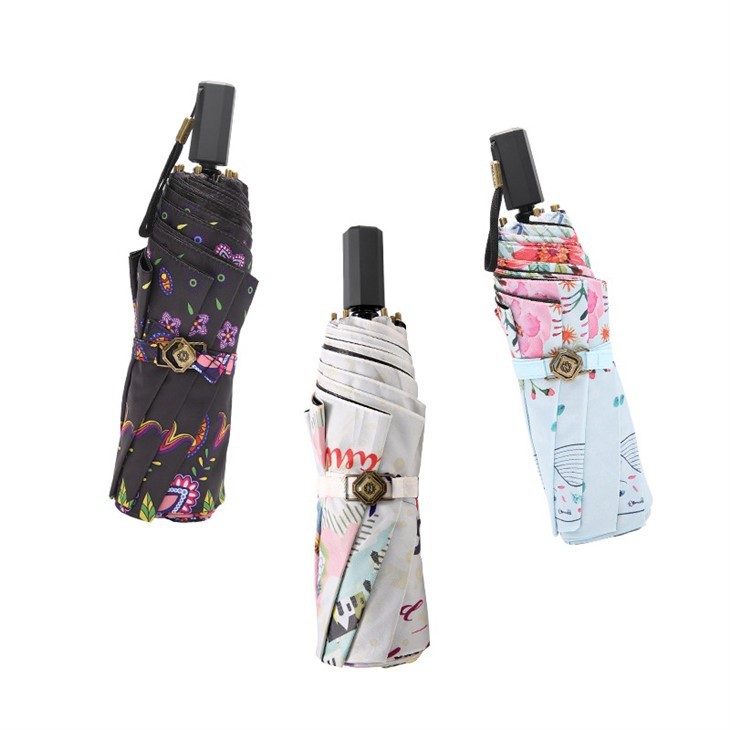
- Polyester: Polyester is a commonly used material for sun umbrellas due to its durability and UV-blocking properties. Dark-colored polyester umbrellas generally provide excellent protection, as the material itself has a high affinity for absorbing UV radiation.
- Nylon: Nylon is another popular material for umbrellas. It is lightweight and water-resistant, but its UV-blocking ability can vary depending on the color and the presence of UV coatings. Light-colored nylon umbrellas may need additional treatment to achieve high UPF ratings.
- Cotton: Cotton is a natural and breathable material, but it is not as effective at blocking UV rays as synthetic materials. However, when dyed with dark colors, cotton can offer improved protection.
Product Examples
As a supplier, we offer a wide range of UV protection sun umbrellas in different colors and styles to meet the needs of our customers. Here are some of our popular products:
- Double Canopy Sun Umbrellas: These umbrellas feature a double canopy design, which provides enhanced UV protection. Available in a variety of dark colors, they are perfect for providing shade at the beach, patio, or other outdoor settings.
- Pink Lily Sun Umbrellas: Our Pink Lily Sun Umbrellas offer a combination of style and sun protection. Despite their light pink color, they are treated with special UV-blocking agents to ensure a high UPF rating.
- Daisy Uv Umbrella: This umbrella is decorated with a daisy pattern and comes in a variety of colors. The fabric is carefully selected for its UV-blocking properties, making it a great choice for everyday use.
Considerations When Choosing a Color
When selecting a UV protection sun umbrella, there are several factors to consider besides the UV-blocking ability.
- Personal Preference: Color is a matter of personal taste, and you should choose a color that you like and that matches your style. However, it's important to balance aesthetics with functionality.
- Visibility: Bright or neon colors can be more visible, which can be beneficial in certain situations, such as at the beach or in crowded areas. On the other hand, darker colors may be more suitable for a more subdued look.
- Heat Absorption: Darker colors absorb more heat as well as UV radiation. If you live in a hot climate, you may want to consider a lighter-colored umbrella to stay cooler.
Conclusion
In conclusion, the color of a UV protection sun umbrella has a significant impact on its UV-blocking ability. Darker colors generally offer better protection, but the combination of color and material also plays an important role. When choosing a sun umbrella, it's important to consider the UPF rating, color, material, and your personal preferences.
As a supplier of UV protection sun umbrellas, we are committed to providing high-quality products that offer effective sun protection. Our umbrellas are designed to meet the highest standards of quality and performance, and we offer a wide range of colors and styles to suit your needs.
If you're interested in purchasing UV protection sun umbrellas for personal use, resale, or for your business, we invite you to contact us for more information and to discuss your specific requirements. We look forward to working with you to provide the best sun protection solutions.
References
- Journal of the American Academy of Dermatology. (Year). "Study on UV protection of different fabrics."
- Textile Research Institute. (Year). "Research on the impact of color and material on UV protection."